
Make Drilling Easy: Your Full Scope to Drill Structural Steel, From Cutter Choice to Tapping
October 16, 2026 -
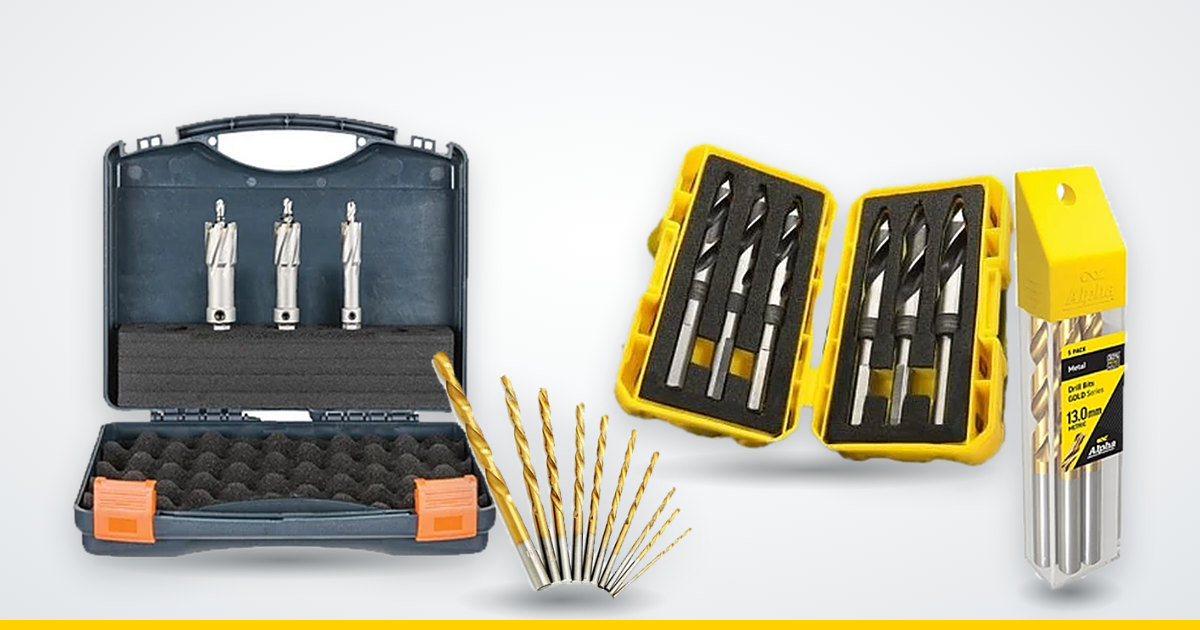
Twelve 22 mm holes. A 16 mm flange. A column that’s already standing, and no way it’s going back to the shop.
A hand drill will chew, wander and wear you out. The right setup turns the same job into clean, square, repeatable holes, and choosing between an annular cutter vs twist drill for structural steel is where it starts. This guide covers the full scope: holding the drill on the steel, choosing the cutter and tapping the thread.
The Full Scope: Drill, Cutter and Tap
Quick answer: Drilling structural steel on site needs three things working together: a portable magnetic drill that clamps to the steel, the right cutter for the hole size, and a tapping setup when threads are needed. Get the setup right and holes are square, repeatable and quick.
Lock the drill to the steel
A portable magnetic drill clamps to beams, columns and plate with an electromagnetic base. You get drill-press accuracy in position, including vertical and overhead work.
- Clean contact: grind off mill scale, weld spatter and paint ridges under the base. Every gap steals holding force.
- Material thickness: thin plate and hollow sections hold less strongly than thick flanges. Check the manufacturer’s minimum thickness.
- Power: the base needs constant power. A dropped lead or a generator cut-out releases the magnet.
- Safety strap or chain: fit it on every hole, and always on vertical and overhead work.
Pick the right machine
- Hole diameter and depth: match the drill’s capacity to your biggest regular hole.
- Variable speed and reverse: you need both for tapping and larger cutters.
- Corded or cordless: 240 V suits shops and sites with reliable power. Cordless removes the lead hazard at height.
Compare capacities across our drill range before you choose.
Annular Cutter vs Twist Drill for Structural Steel
Quick answer: An annular cutter removes only a ring of metal around the edge of the hole and leaves a solid slug, while a twist drill turns the whole hole into chips. Annular cutters need less power, cut faster and leave cleaner holes without step drilling.
|
|
|
|
|
|
|
|
|
|
|
|
|
|
|
|
|
|
|
|
|
|
|
|
That slug popping out at breakthrough shows what happened. Only a thin ring of steel was cut, which is why the hole came so fast.
Get the most from every cutter
- Cutting fluid: feed it through the arbor to cool the teeth and flush the chips.
- Feed pressure: steady and firm. Force it and you chip teeth. Go too light and you glaze them.
- Slug ejection: the pilot pin fires the slug out at breakthrough. Keep hands and feet clear below the hole.
- Cutter type: HSS for general structural steel, TCT for harder materials and higher production.
We stock Sutton annular cutters for mag drill work on structural steel and plate.
When the twist drill still earns its spot
Annular cutters have a minimum diameter, so small holes and pilot holes still go to twist drills. A twist drill in a chuck adaptor also covers odd sizes without buying another cutter.
Tapping With a Mag Drill
Quick answer: Tapping on a mag drill needs a machine with reverse and low speed, plus a tapping chuck or adaptor with a slip clutch. Drill the correct tapping size, use cutting fluid, and let the clutch slip if the tap binds or bottoms out.
Drill it and thread it in the same setup, without unclamping the magnet. Here’s what that takes.
What you need
- Machine: variable speed with reverse, so the tap backs out under power.
- Tapping chuck or adaptor: with a slip clutch, so a binding tap slips instead of snapping.
- Correct tapping drill: check the size against a tapping chart for the thread.
- Cutting fluid: a tapping compound suited to steel.
Choose the tap for the hole
- Spiral point (gun) taps: push chips ahead of the tap. Use them for through holes.
- Spiral flute taps: pull chips back out of the hole. Use them for blind holes.
Both types are in our Sutton taps range.
Site Setup Checklist for High-Output Drilling
Quick answer: High-output site drilling comes down to setup: a clean, flat steel surface under the magnet, a safety strap on every hole, the right cutter and speed for the steel, steady cutting fluid, controlled feed pressure, and tested leads protected by an RCD.
- Prepare the steel surface and mark hole centres accurately.
- Fit the safety strap before switching on the magnet.
- Check the magnet indicator before starting the motor.
- Set speed for the cutter diameter and material.
- Keep cutting fluid flowing for the whole cut.
- Clear swarf with a brush or hook once the spindle has stopped, never with bare hands.
- Run 240 V machines through an RCD-protected supply, with leads tested and tagged under AS/NZS 3760.
- Wear eye and hearing protection, and keep gloves, loose sleeves and rags clear of the spinning cutter.
Before You Drill: Quick Answers for Steel Jobs
What is the difference between an annular cutter and a twist drill?
An annular cutter cuts only the outer ring of the hole and leaves a solid slug. A twist drill turns the whole hole into chips. That’s why annular cutters need less power and finish holes faster in structural steel.
Can you use an annular cutter in a hand drill?
No. Annular cutters need a rigid, square setup such as a mag drill or drill press. In a hand drill the cutter wanders, binds and breaks teeth.
Can you tap threads with a mag drill?
Yes, if the mag drill has reverse and low speed. Use a tapping chuck with a slip clutch, the correct tapping drill size and cutting fluid.
Do I need a safety strap on a mag drill?
Yes, on every hole. If power drops, the magnet releases and the strap is what stops the drill falling. It matters most on vertical and overhead work.
Why won’t my mag drill hold on the steel?
Usually the surface or the steel is the problem. Mill scale, paint, spatter or a curved surface leaves gaps, and thin plate cuts holding force. Clean the area and check the minimum material thickness.
Gear Up for Your Next Steel Job
Ready to make drilling easy? Browse our full drills and taps range for mag drills, cutters and taps, or talk to our team at Hemmant. Tell us the hole sizes, steel thickness and thread you need, and we’ll help you put the right setup together.
Have inquiries?
Give us a call on 1300 828 764 or complete the form