
 Products
Fire and Explosion
Ignition sources
Unsafe electrical equipment
Flammable and combustible material not to be accumulated
Specific control—fire and explosion
You must manage risks to health and safety associated with ignition sources in a hazardous atmosphere at the workplace, where the ignition is not part of a deliberate workplace process or activity.
Under the WHS Regulations an atmosphere is a hazardous atmosphere if the concentration of a flammable gas, vapour, mist or fume exceeds five per cent of the lower explosive limit for the gas, vapour, mist or fume. The criteria for classification of hazardous areas are described in AS/NZS 60079.10.1:2009: Explosive atmospheres – Classification of areas and
AS/NZS 61241.10:2005 Electrical apparatus for use in the presence of combustible dust – classification of areas where combustible dusts are or may be present.
You must also ensure that flammable or combustible substances kept at the workplace are kept at the lowest practicable quantity and that other ignition sources are not introduced into the workplace.
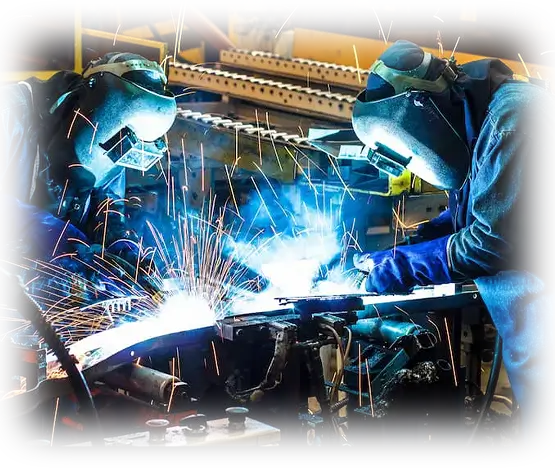
Welding generates heat, flames and sparks—all of which are sources of ignition. When combined with sources of fuel and oxygen, sources of ignition present a significant risk of fire and explosion.
You must manage risks to health and safety associated with an ignition source in a hazardous atmosphere. This includes identifying all sources of ignition, including other processes associated with welding, for example grinding which can also generate heat, flames and sparks.
Common sources of fuel which can be found in workplaces include flammable and combustible materials, such as flammable gases, (for example acetylene, hydrogen, methane—natural gas), liquefied petroleum gas (for example barbeque gas), flammable liquids (for example mineral turpentine, petrol), combustible liquids (for example oils) and materials such as wood, wood chaff/shavings, leaves, cardboard boxes and flammable metal or self-burning dusts. Neighbouring properties may have containers of fuel, flammable liquids and dried grass or leaves which can also present a hazard to your workplace if ignited.
The risk of fire and explosion could be increased by exposure to an oxygen-rich atmosphere at the workplace. Fires in oxygen-rich atmospheres are very difficult to extinguish. When oxygen comes in contact with oil, grease, other hydrocarbons or oil-based substances, it can spontaneously ignite and result in a fire or explosion. For example, you should never cut containers with potentially flammable materials and pressurised cylinders, pipes or vessels.
You may need to develop specific procedures for welding in a hazardous atmosphere or hazardous area. For example, the WHS Regulations require a ‘confined spaces entry permit’ for work in a confined space. When welding in an area which is not a confined space, you should still document specific procedures which should include the issue of a ‘hot work permit’. For further guidance about ‘hot work’ or ‘hot work permit’ see AS 1674.1:1997: Safety in welding and allied processes – Fire precautions. You should also take into consideration the areas and businesses surrounding the workplace.
Control measures for fire and explosion:
− eliminate, or if not reasonably practicable, isolate fuel sources from ignition sources
− eliminate the hazard by purging all traces of flammable or combustible materials from drums, vessels and tanks which are to be welded before welding, and preferably fill with an inert substance such as nitrogen gas or water
− isolate the process by using fire resistant barriers to prevent welding sparks accidently reaching flammable
and combustible materials
− check work areas are well ventilated to prevent accumulation of flammable vapours in the work area
− check work area is free from rubbish, paper or dust which could be potential fuel sources or produce dust
explosions
− use flash back arrestors on gas hoses to prevent the flames travelling back and igniting the gas in the
cylinder
− ensure gas cylinders are secured at all times—AS 4332-2004: The storage and handling of gases in cylinders
(note segregation of gases of Class 2.1 and 2.2(5.1))
− drain and purge equipment, such as gas hoses, and lock the gas off at the valve immediately after use
− do not store flammable and combustible materials near welding area, and
− keep and maintain fire-fighting equipment near welding area.
 Schedule Your Assessment Now