
 Products
Electrical Risks
Risk management
Unsafe electrical equipment
Inspection and testing of electrical equipment
Use of socket outlets in hostile operating environment
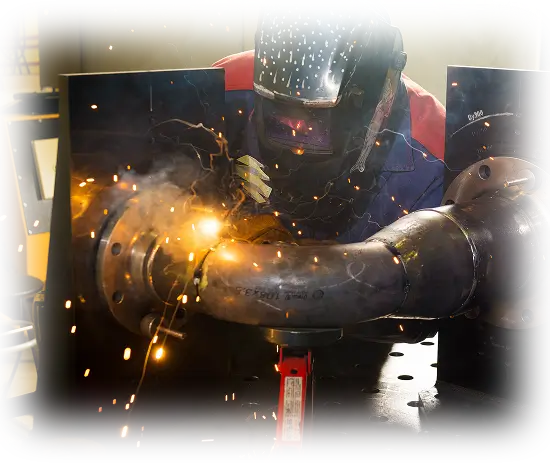
An electrical risk is a risk to a person of death, shock or other injury caused by electricity.
You must manage risks to health and safety associated with electrical risks at the workplace. This includes ensuring that any unsafe electrical equipment is disconnected (or isolated) from its electricity supply.
You must ensure electrical equipment is regularly inspected and tested by a competent person if it is used in an environment in which the normal use of the equipment exposes it to operating conditions that are likely to result in damage to the equipment, or reduce the life of the equipment (such as through moisture, heat, vibration, mechanical damage, corrosive chemicals or dust).
In such conditions you must also ensure, so far as is reasonably practicable, that any electrical risk associated with the supply of electricity to the electrical equipment through a socket outlet is minimised by the use of an appropriate residual current device (RCD).
Using electrical welding equipment involves a risk of electric shock or electrocution. Exposure to electromagnetic fields is also a potential hazard for workers with some medical conditions.
Welding equipment may need to be regularly inspected and tested as it could be exposed to operating conditions likely to result in damage or a reduction in expected lifespan. For more information see model Code of Practice: Managing electrical risks in the workplace
An electrical risk is a risk to a person of death, shock or other injury caused by electricity.
You must manage risks to health and safety associated with electrical risks at the workplace. This includes ensuring that any unsafe electrical equipment is disconnected (or isolated) from its electricity supply.
You must ensure electrical equipment is regularly inspected and tested by a competent person if it is used in an environment in which the normal use of the equipment exposes it to operating conditions that are likely to result in damage to the equipment, or reduce the life of the equipment (such as through moisture, heat, vibration, mechanical damage, corrosive chemicals or dust). In such conditions you must also ensure, so far as is reasonably practicable, that any electrical risk associated with the supply of electricity to the electrical equipment through a socket outlet is minimised by the use of an appropriate residual current device (RCD).
Using electrical welding equipment involves a risk of electric shock or electrocution. Exposure to electromagnetic fields is also a potential hazard for workers with some medical conditions.
Welding equipment may need to be regularly inspected and tested as it could be exposed to operating conditions likely to result in damage or a reduction in expected lifespan. For more information see model Code of Practice: Managing electrical risks in the workplace

Electric shock
Electric shock may result in serious burns or death by electrocution. Electric shock or electrocution can occur through direct contact with the electrode, live parts, the work piece, or through contact with a device such as an unearthed cable or tool. The risk of electric shock can be exacerbated by moisture and high humidity.
Control measures to protect from electric shock:
- isolate the hazard by using fully insulated electrode holders; the holder should never be dipped into water to cool, or be placed on conductive surfaces
− prevent contacting electrodes or welding wire with bare hands when in the holder or welding gun (wear dry welding gloves), and make sure holders or welding guns are never held under the armpit Welding processes
− prevent holders or electrodes coming into contact with any other person
− check the working area does not have any potentially live structures, components or wet areas
− install an RCD, and
− inspect all equipment to check it is in good condition before use, including power switches, terminals, connections, cables and insulation.
| Work Phase | Procedure |
|---|---|
| Before welding |
- Check the equipment is well maintained, for example, conductors should be well insulated to prevent contact with live conductors. − Install shut-down mechanisms such as fuses, low voltage safety switches or RCDs on equipment. − Do not work in an environment which is damp, humid or wet, or where a worker may be exposed to rain. − Become familiar with the procedures and emergency plans for your workplace and make sure you understand how to perform welding activities safely and what you need to do if a person suffers an electric shock. |
| During welding |
- Always keep the welding machine terminals and cable connections clean and tight. − Only use welding cables which are fully insulated for their entire length. − Where devices have an earth (ground) connection, it is essential it is connected at all times. − Do not connect or change welding cables before switching off the power at the mains. − Use an appropriate hazard reducing device. − In hazardous working environments avoid working alone. − Wear personal protective equipment including welding gloves and rubber insulated shoes while working. − Minimise perspiration by allowing time to dry equipment during breaks, changing clothing, gloves, using ventilators and using an airfed welding mask. − Do not change electrodes by hand while simultaneously touching the bench or the work piece. − Where practicable stand, lay or sit on non-conducting material while carrying out welding. − Avoid leaning against the material or structure during welding |
| After welding | - Check the condition of all equipment after use and report any defects. |
Further guidance about electrical safety is available in:
− Code of Practice: Managing electrical risks in the workplace
− Welding Electrical Safety, WTIA Technical Note No. 22, published by the Welding Technology Institute of Australia
− AS 1674.2-2007: Safety in welding and allied processes – Electrical.
− AS 60974.1-2006: Arc welding equipment – Welding power sources (Section 11 and 13 for hazard reducing devices).
Electromagnetic fields
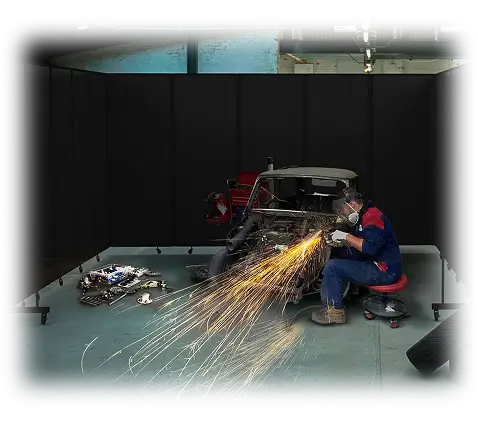
Electric arc welding produces strong electric and magnetic fields close to the power source and around the current-carrying cables. Electromagnetic fields can disrupt the operation of pacemakers, permanent defibrillators or other medical devices which could cause the heart to stop or slow down. A worker will not be aware of a magnetic field hazard unless a heart pacemaker or other device is behaving irregularly. You should seek medical advice before exposing a worker wearing such a device to welding-related electromagnetic fields.
Electromagnetic fields can also occur wherever power is being generated and near transmission lines. Before work near these facilities begins, you should check with the electricity supply company to make sure work will not affect the supply of power or if there are any special precautions welders need to take when working in those areas.
Control measures for electromagnetic field may include:
− using barriers to isolate people who are not directly involved in the welding process
− workers with pacemakers or other susceptible devices should substitute work which involves exposure to electromagnetic fields for another type of welding process, such as performing oxy-fuel welding instead of electric arc welding
− signs indicating there are strong electromagnetic fields should be used to limit access and alert people to risks, and
− workers should not stand close to the power source or drape the welding cable around their body.
 Schedule Your Assessment Now