
 Products
Compressed And Liquified Gases
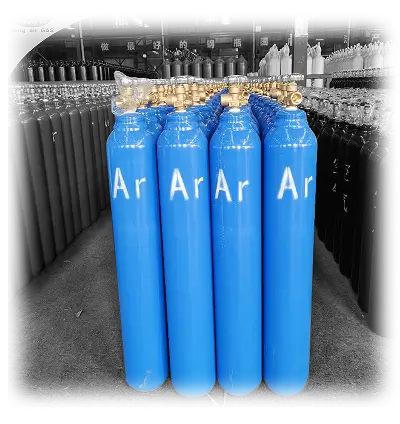
Compressed and liquefied gases are used as fuel, a source of oxygen or as shielding gases in certain types of welding. Cylinders contain large volumes of gas under high pressure and precautions need to be taken when storing, handling and using cylinders.
The hazards associated with compressed and liquefied gases include fire, explosion, toxicity, asphyxiation, oxidisation and uncontrolled release of pressure. Gas leakage is a particular hazard. Leaking fuel gas is usually recognised by odour. However, oxygen leaks are harder to detect and therefore potentially more hazardous. If a small leak occurs, close the cylinder valve if possible. The area should be well ventilated and air-conditioning systems should be turned off to avoid spreading gas. However, if a large amount of gas escapes, emergency procedures should be implemented.
Control measures for compressed and liquefied gases:
− store and handle cylinders appropriately
− keep cylinders maintained free from leaks or dents
− store cylinders in an upright position to ensure the safety device functions correctly
− secure cylinders to prevent dislodgement
− hoses should be secured using crimping or other suitable permanently fitting clips
− flashback arrestors should be fitted at the blow pipe and regulator end of both the oxygen and fuel gas lines
− keep the cylinder valve closed when the cylinder is not being used, and
− keep all sources of heat and ignition away from gas cylinders, even if the cylinders do not contain flammable material.
For further guidance on storing cylinders see AS 4332-2004: The storage and handling of gases in cylinders. For further guidance on securing hoses see AS/NZS 1869:2012: Hose and hose assemblies for liquefied petroleum gases (LP Gas), natural gas and town gas.
Asphyxiation hazards
Asphyxia is a condition which occurs where there is lack of oxygen. All gases, including fuel gases (for example hydrogen, acetylene and liquid petroleum gas) and inert gases (for example argon, helium and nitrogen) are an asphyxiation hazard in high concentrations.
Too little oxygen in the air we breathe can cause fatigue and in extreme cases death. Using compressed and liquefied gases can result in dangerously low levels of oxygen, either through consumption of oxygen in the air (burning of fuel) or where an accumulation of gases displaces oxygen in air. For example, gases which are heavier than air can accumulate in low-lying areas such as pits, wells and cellars and gases which are lighter than air can accumulate in high areas, for example roof spaces and lofts.
To ensure the controlled release of gas in an emergency situation, oxygen, hydrogen, carbon dioxide and inert gas cylinders should be fitted with a bursting disc safety device and liquid petroleum gas cylinders should have an operational spring-loaded pressure relief valve. Acetylene cylinders should be fitted with a fusible plug in the neck of the cylinder and must always be stored and used in an upright position.
Control measures for asphyxiation hazards:
− avoid work being carried out in oxygen-enriched (over 23 per cent) or oxygen-depleted (under 19.5 per cent)
atmospheres
− keep the work area well ventilated, particularly in low-lying areas and roof spaces where gases can
accumulate
− use appropriate PPE, for example an air supplied respirator, particularly in confined spaces
− avoid work being carried out in oxygen-enriched (over 23 per cent) or oxygen-depleted (under 19.5 per cent)
atmospheres
− keep the work area well ventilated, particularly in low-lying areas and roof spaces where gases can
accumulate
− use appropriate PPE, for example an air supplied respirator, particularly in confined spaces
 Schedule Your Assessment Now